Chris Morgan
Host, "The Wild"
About
Chris Morgan is a British-American ecologist, conservationist, filmmaker, TV host and podcaster. His stories from six continents have reached hundreds of millions of people worldwide as part of his mission to connect listeners to nature and to help conserve our beautiful planet.
For over thirty years his ecology and conservation work has focused on bears and other large carnivores worldwide, from the Rockies to Pakistan, and Spain to Ecuador. He emigrated to the US from the UK in 1997 and established Chris Morgan Wildlife for his wildlife research and environmental education work. In 2000, he co-founded the award-winning community-based education program, the Grizzly Bear Outreach Project (GBOP; now Western Wildlife Outreach, WWO), which was designed to bring scientifically credible information about grizzly bears and restoration to local communities of the North Cascades in Washington State.
Through his work as a wilderness guide, he has escorted hundreds of people into wild locations around the world from the Arctic to Antarctica, to share the wonder of nature, and trigger conservation initiatives.
He is the co-founder of Wildlife Media, the non-profit organization that produced BEARTREK, a feature-length documentary (premiered in 2018) that follows Chris’ journey by motorcycle to Alaska, Peru, the Canadian north, and Borneo. The film’s campaign has generated support and exposure for critical bear conservation projects in these areas. Wildlife Media is a proud sponsor of THE WILD. Chris co-created THE WILD podcast with KUOW in 2019 and loves the craft of creating and voicing immersive audio stories that bring people back to nature through their ears, hearts, and minds.
Podcasts

Stories
-
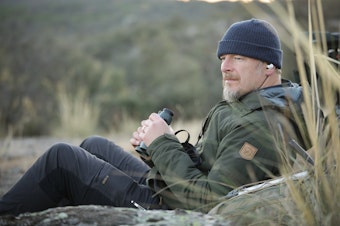
THE WILD: Season 4 Trailer
New episodes of THE WILD begin on Tuesday, January 18th.
-
Living Planet (special episode)
This is a special episode from the podcast Living Planet from Deutsche Welle. In this episode they explore the efforts to bring life back to seabeds off the coast of Scotland and learn about an app that can tell what species a frog is by its song. A sort of Shazam for amphibians.
-
Season 3 note
Take our listener survey by clicking the link here. You could be selected to get a WILD sticker.
-
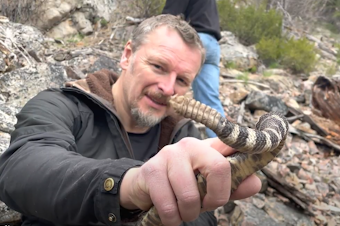
Sitting on a den of rattlesnakes
Rattlesnakes have long been persecuted, even killed for sport or having their entire dens burned. I head out with two wildlife biologists to look for rattlesnakes as they emerge from hibernation and learn about the important role these snakes play in our ecosystem.
-
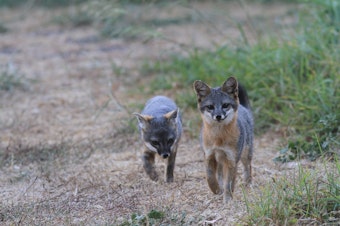
The rise and fall…and rise...of the island fox
20 years ago, foxes on Santa Cruz started dying at an alarming rate. Their numbers dropped to around one hundred animals. But nobody knew why. It was an ecological whodunnit that needed to be solved before the foxes disappeared forever.
-
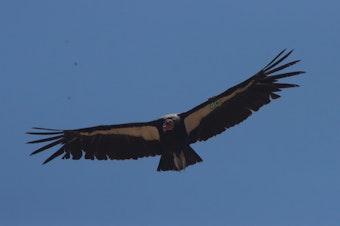
California’s condor: the dinosaur bird
We’ll meet a man who turned from crime to condors and a life mission to remove lead from this incredible bird’s ecosystem.
-
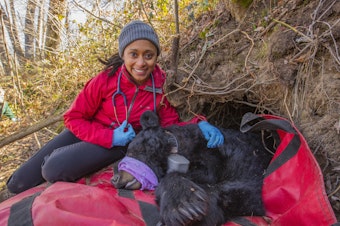
Bears and diversity: a conversation with Dr. Rae Wynn-Grant
-
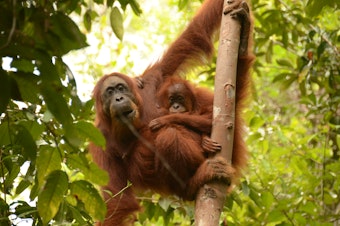
Orangutans: people of the forest
Northern Sumatra is a magical tropical home to the endangered orangutan. But their rainforest home is being cut down, and many are orphaned as their habitat is lost. Researchers are working hard to understand how orangutans process and learn, while others rehabilitate young individuals for a life back in the wild.
-
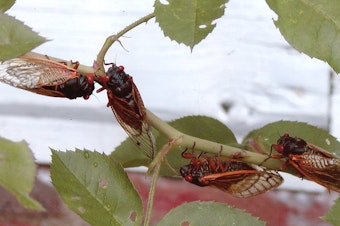
Billions of bugs: life of a cicada underground
The shrill calls of billions of Brood X cicadas emerging from the earth have captured the nation’s ears and attention this spring. But what do these noisy insects DO for the 17 years they live underground? In this episode we dig deep into that question.
-
A message from Chris
I hope you're enjoying spring wherever you are. I just wanted to let you know that we're taking a short break to work on some new episodes. We just got back from an incredible trip in California for two stories. One is about California condors, North America's biggest bird that almost became extinct and island foxes on the Channel Islands. We'll be back in June, which means that now is the perfect time to listen to past episodes if you missed them. Keep well everybody and stay in touch.