Eilís O'Neill
Reporter
About
Eilís is a reporter covering health. She focuses on health inequities, substance use and addiction, infectious diseases, mental health, and reproductive and maternal health.
Eilís came to KUOW in 2016. Before that, she worked as a freelance reporter, first in South America, and then in New York City. Her work has aired on NPR’s Morning Edition and All Things Considered, APM’s Marketplace, Reveal from the Center for Investigative Reporting, and other programs.
Eilís' work as part of a team covering Covid-19 outbreaks and vaccine hesitation in Washington won a regional Murrow award, as did a series about children who lost parents to Covid-19. Her series about the opioid crisis on the Olympic Peninsula won several regional Society for Professional Journalists awards as well as a national Public Media Journalists Association award.
Eilís grew up in Seattle and was a high school intern at KUOW, in the program that later became RadioActive. She has a Master's in Science, Health, and Environment Reporting from Columbia University. She lives in Seattle with her husband and two children.
Location: Seattle
Languages: English, Spanish
Pronouns: she/her
Stories
-

'A really rough night.' Protesters say police used excessive force on Labor Day
People protesting for civil rights in Seattle’s International District on Monday night say police officers used excessive force in at least two instances, resulting in a head fracture, according to a witness.
-

The plan if wildfire smoke descends on Seattle during a pandemic? There is none
The plume of smoke we’ve seen in past years hasn’t descended on Seattle, but if it does, researchers fear worse health effects than in normal years, because of the pandemic. Officials in the Puget Sound area don't have a plan for protecting residents if the air gets smoky — beyond telling people to just stay home.
-

Go outside, and other tips for preserving sanity through the dark pandemic winter ahead
Staying home and physically distanced from loved ones has taken a toll on many people’s mental health. Experts are worried the situation will be even worse in the fall and winter, when colder, wetter, shorter days could force people to spend even more time in their homes.
-

The surprising ways people with OCD responded to coronavirus: 'I've been training for this my whole life'
As the pandemic stretches on, everyone is tired of staying at home and anxious about catching the virus. But for those with obsessive-compulsive disorder, the novel coronavirus brings extra challenges.
-

Coalition of Black activists reviews the state of Seattle's defund movement
‘We are the experts in what will keep us safe, and what will make us whole.’
-

60-year-old Washington state dam is being blasted to pieces to let fish swim free
Once the crews have finished their work, the Nooksack Dam will be gone, and Chinook salmon and other fish will be able to travel to the river’s upper reaches.
-

The key to racial diversity in the outdoors: 'Making sure that people feel safe'
Bird-watcher Joey Manson has made it his mission to make sure everyone — especially people of color — feels safe outdoors in Seattle.
-
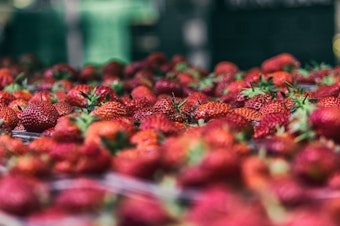
The cost of a strawberry: Overtime battle for Washington's farm workers
Strawberry season doesn’t mean strawberry shortcake or strawberry jam for Ana. It means long days bent nearly double to snap ripe strawberries from where they grow, near the ground. “You have to lean over a lot to pick strawberries,” she said. “So of course everything hurts: your legs, your back--everything.”
-

College during Covid-19: Uncertainty troubles students and schools
With some American universities uncertain what classes will look like this fall, college students are wrestling with whether to enroll — or try to defer till they can be sure to have a full college experience.
-

She's Canadian. He's American. The border closed right before they were supposed to get married
Since March 21, the US/Canada border has been closed for all non-essential travel, and it’s going to stay closed till at least June 21. Visiting family members, and attending one’s own wedding, are not considered essential.