Hans Anderson
Producer, Soundside
About
Hans Anderson is a producer on KUOW’s Soundside, where he covers a diverse range of topics from conflicts over how to use busy streets to how the open spaces of the Palouse inspire modern musical compositions. He primarily produces segments about politics, the arts, and transportation.
Location: Seattle
Languages Spoken: English
Pronouns: he/him
Podcasts


Stories
-

Why GameWorks almost reconsidered its return to Seattle
-

After unusual recall vote, Richland Schools scrambles for new board member
-

These homebuyers got a deal they couldn’t refuse — and pests they can’t get rid of
-

Is de-escalation training a priority for WA police? The evidence raises doubt
-

From the Olympics to the Everglades, 'Campfire Stories' takes on the nuance of place
"Campfire Stories" collects writings about the Pacific Crest and Appalachian Trails, along with five national parks. The stories are often told from the perspectives of writers with complicated cultural connections to the places explored, juxtaposing their apprehensiveness of the wilderness with their reverence of it.
-

Hear It Again: Summer reads from the Soundside team
-

As votes continue to be counted, Seattle City Council races take shape
We’ll soon know who will be competing for seven Seattle City Council seats in the November General Election. Forty-five candidates ran in Tuesday's primary but only the top two vote-getters, a total of 14 people, will move on.
-

Hear it Again: An ode to the 'makers' of Washington state
Soundside is looking back on stories "made in Washington." Well, technically, all Soundside stories are “made” in Washington. But we're talking about the art and artisanship that’s made — and inspired by — our state.
-

Does Seattle’s tree protection ordinance protect developers more than trees?
-
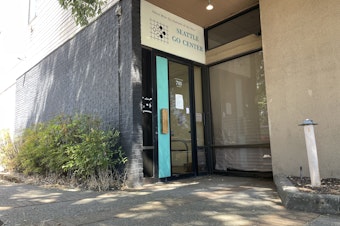
This center made Seattle a hub for the game Go, now it needs a new home
In Seattle's U-District, there’s a non-descript two story building tucked near the corner of I-5 and 45th street. On the side of that building is a large sign that looks like graph paper with black and white circles on it. If you’re a smartypants, you may recognize this as a game of GO. If you’re a super smartypants, you might head inside to play the game at the “Seattle GO Center.”