Could light rail across Lake Washington turn Seattle into the next Copenhagen?


It’s taken 10 years and almost $4 billion. But light rail across Lake Washington should finally open on Saturday.
For riders, that means shorter commutes and faster trips to the airport, sporting events, and parks. But economists say the impact could go much further. They point to a surprising example: a bridge in Scandinavia that helped transform two struggling cities into an economic powerhouse.
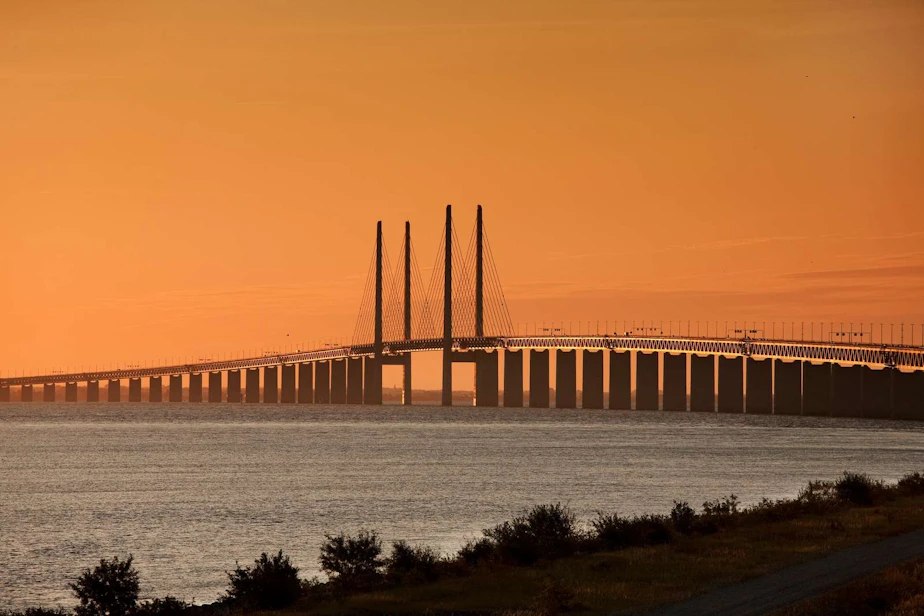
The Oresund Bridge links Copenhagen, the capital of Denmark, with Malmö, a city in Sweden. The two sit across a narrow saltwater straight about three times the width of Lake Washington.
The parallels are hard to ignore.
This story is adapted from an episode of Booming:
Copenhagen is roughly Seattle’s size, by population. Malmö is about as big as Bellevue, Kirkland, and Redmond combined. The bridge carries about 50,000 train riders a day, the same number Sound Transit expects on the 2 Line, which begins service across Lake Washington on Saturday, March 28.
RELATED: Seattle leaders react to Sound Transit's cost-cutting ideas for light rail
Sponsored
There are differences, of course. Denmark and Sweden have different languages and currencies. And the I-90 bridge has already been carrying cars for decades.
But the core setup is the same: two cities, separated by water, now connected by rail.
Economic growth all around
When planning began for the Oresund Bridge in the late 1980s, both Copenhagen and Malmö were hurting. Their shipbuilding industries had collapsed, taking thousands of jobs with them.
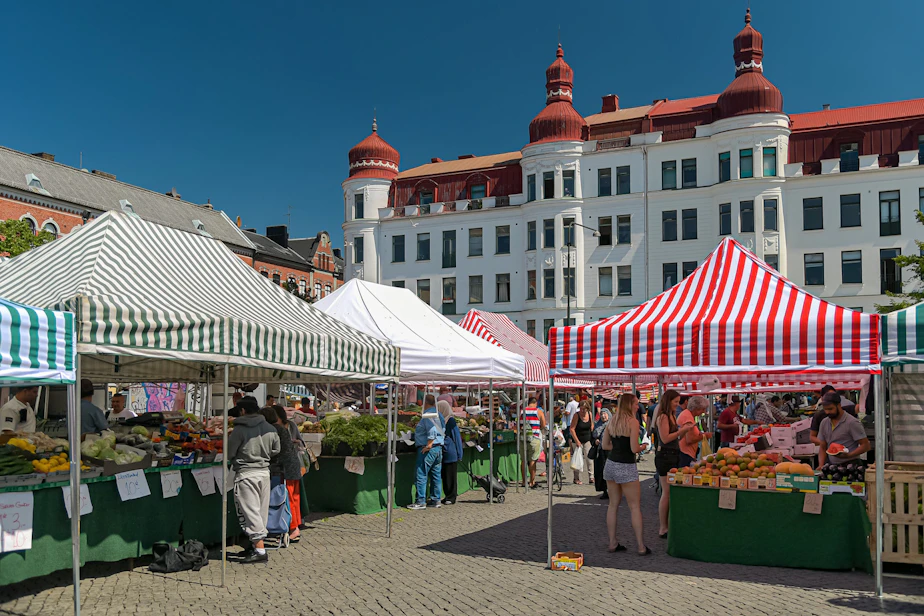
The bridge’s opening in 2000 helped change that. Swedes in Malmö suddenly had access to higher-paying jobs in Copenhagen. They brought those bigger paychecks home and spent them locally. That helped Malmö’s economy.
Copenhagen benefited, too. Companies there could now pull from a much larger labor pool. They grew faster. And all those Swedish commuters paid Copenhagen’s income tax, filling city coffers.
The bridge itself is still being paid off. It’ll probably take until 2050 for user tolls to fully cover the state-guaranteed loans. But more broadly, experts estimate that for every dollar spent building the bridge, the region got more than two dollars back in economic benefits.
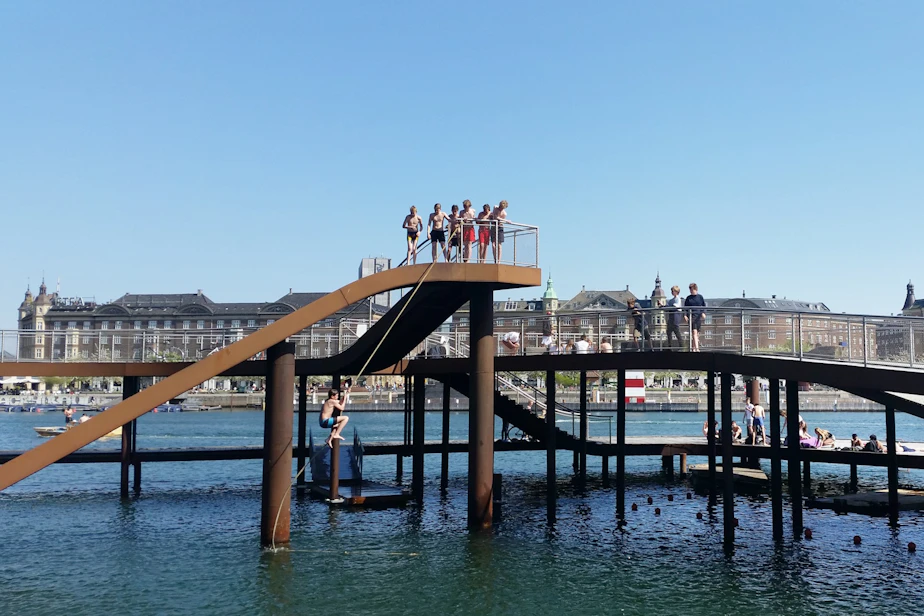
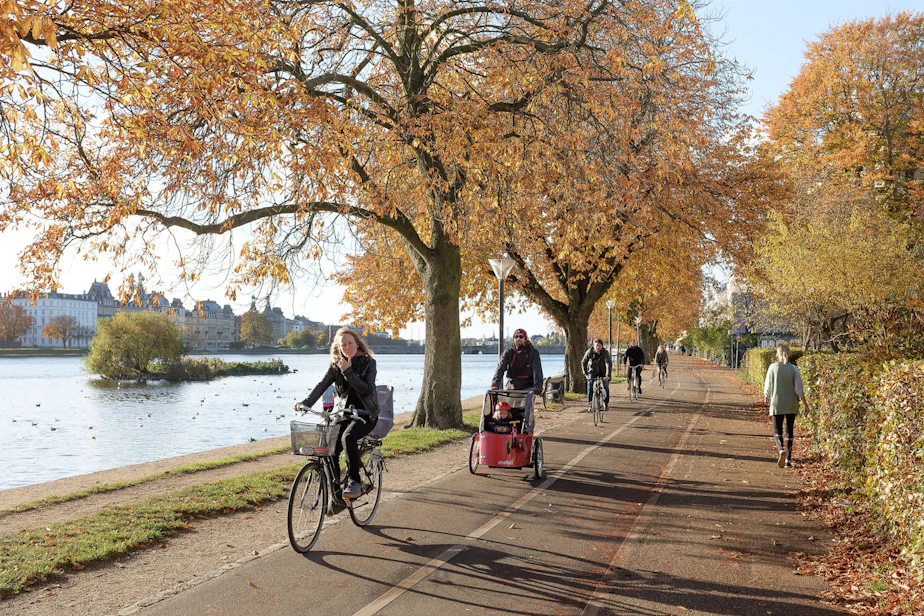
That money helped pay for parks and public squares, as well as child care, bike lanes, and an expanded subway system.
Sponsored
Economic growth like this is one of the primary motivations for building light rail across Lake Washington.
RELATED: Sound Transit announces opening day for light rail connecting Seattle and Bellevue
“Fixed rail systems are proven to be economic development generators,” said King County Councilmember Claudia Balducci. “And the tech companies were some of the loudest advocates for us to build this because they know that you attract talent and you attract jobs when you have a transportation system that people enjoy riding.”
A more livable city
Helle Søholt is an urban planner in Copenhagen and a University of Washington graduate. She founded the firm Gehl, which opened the same year the bridge did. The firm has worked with Copenhagen on many of the improvements paid for by the city’s rising wealth that followed the bridge opening.
She says the bridge changed everything. And she’s not just talking about money. It changed how people live.
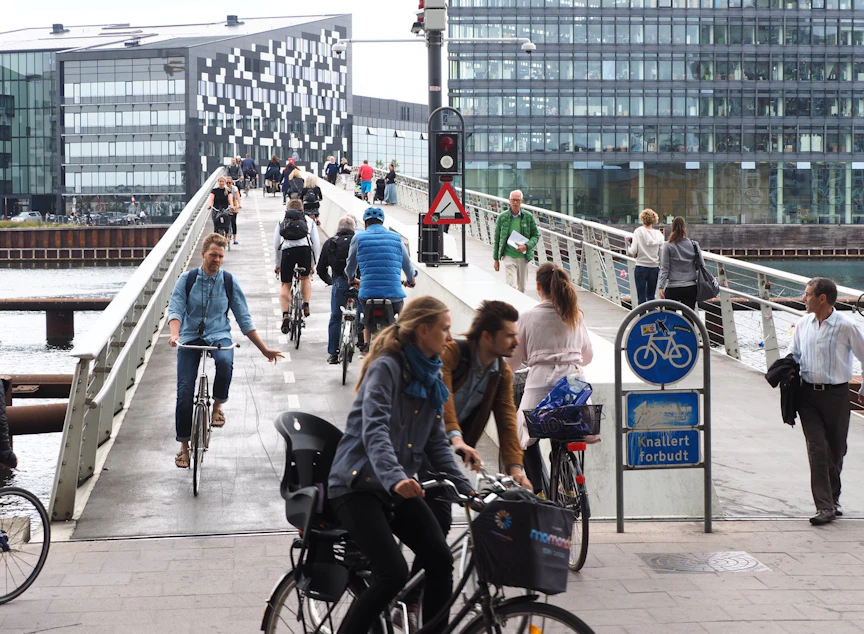
More housing popped up near transit stations on both sides. More people can ditch their cars. Different organizations began ranking Copenhagen as one of the most, if not the most, livable places in the world. Other factors helped, too.
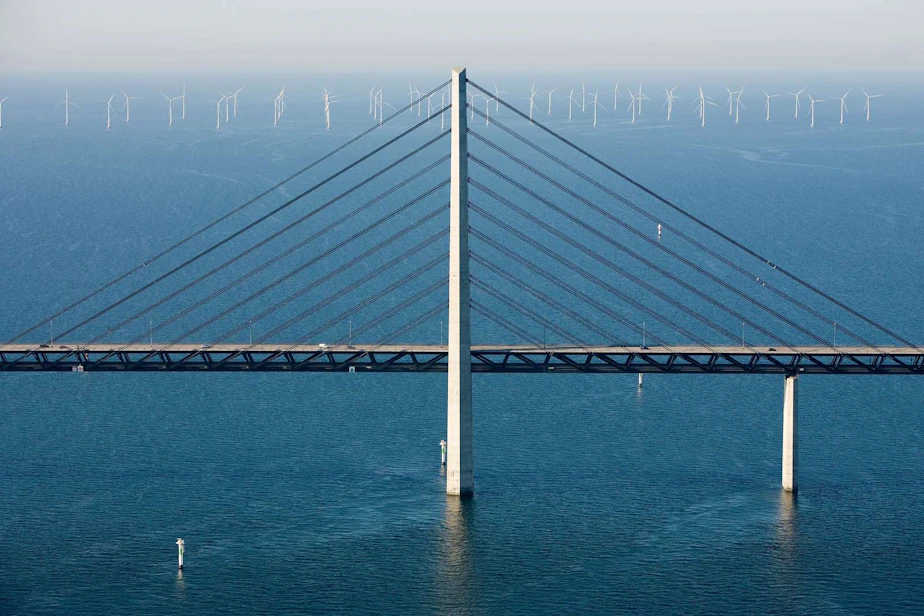
During the 1990s, people all over the world were falling in love with cities again as early tech booms transformed them into hotbeds for innovation.
In Copenhagen, the bridge kicked the pace of change into high gear. It turned Copenhagen into a gateway for Scandinavia and increased trade between the two countries. It made both cities more diverse and cosmopolitan. At the Danish firm Gehl, 15% of employees are Swedish.
“These connections open up possibilities in ways that we cannot fully grasp,” Søholt said. “The beauty of this integration is not only physical. It’s actually also opening up our imagination. It enables people to make new choices. And that’s what I hope the bridge in Seattle and Bellevue could do as well.”
What it could mean for housing costs
So what happens to housing prices when two cities get stitched together by rail? Economists say prices tend to even out.
Sponsored
Leah Brooks, an economics professor at George Washington University, uses a grocery store analogy to explain it.
Think of your rent as a can of beans. There are two grocery stores sitting right next door to each other.
You go inside one, pick up a can of beans, “and you say, 'I know that this can of beans is 10 cents cheaper at the other grocery store… I'm just gonna go to the other grocery store'” and get my beans there, Brooks explains.
Whereas if the other grocery store is a mile away, “you think, ‘Nah, I’m not gonna bother. I’ll just get the can of beans here.'”
Light rail makes distances feel shorter. That means people on both sides of the lake can shop around more easily for housing and jobs. More comparison shopping means more competitive prices.
Sponsored

Brooks expects the same pattern economists saw in Copenhagen and Malmö to play out in the Seattle area. Prices and salaries between Seattle and the Eastside should get a little closer to each other over time.
Someone working in Bellevue who is tired of paying high rent there could move to Shoreline. The low prices in Shoreline could edge up slightly.
RELATED: Austin built a lot of housing fast. Rents fell. What could Seattle learn?
Meanwhile, that person is no longer in Bellevue’s housing market, bringing the higher costs there down slightly.
The flip side: competition
There’s a catch: Connecting two cities also lets them compete more fiercely.
Bellevue has already been poaching some of Seattle’s jobs. Amazon has cited high taxes in Seattle as one reason it’s shifted workers east. Light rail could make that threat more credible.
Brooks agrees. Before the transit connection, she says, “Seattle might think, ‘There’s no way all these employees in Seattle are gonna make it over to the campus in Bellevue. That’s ridiculous.' But now, it is a more credible threat. Amazon can just say, ‘OK, too bad Amazon employees, take that train over to Bellevue.’”
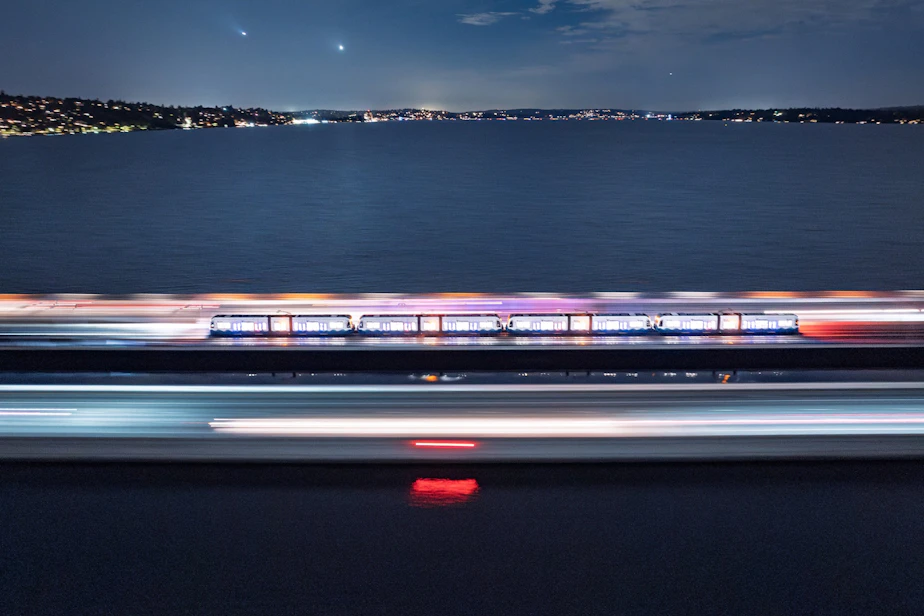
Employees may find that to be an attractive option, since it’s much closer to a light rail station than Amazon’s South Lake Union headquarters in Seattle.
Of course, the competition works both ways. Eastside residents might start spending more of their money in Seattle, visiting the waterfront, catching a concert, or heading to a Mariners game.
The bottom line
The Oresund Bridge shows what can happen when you connect two cities separated by water with a solid mass transit connection. More job options, more housing options, more competitive prices, and a pretty good return on a very large investment.
The Crosslake Connection won’t solve everything. But if Copenhagen and Malmö are any guide, it could do a lot more than shave a few minutes off your commute.
Hear more stories like this every week on KUOW's economy podcast, Booming:
-
Joshua McNichols

Reporter
As KUOW's Growth and Development reporter and co-host of KUOW's Booming podcast, Joshua's "growing pains" beat sits at the nexus of housing, transportation, urban planning, government and the economy. His favorite stories also include themes of history, technology, and climate change.
More stories from Joshua McNichols »


