Mayor Wilson hopes to improve Seattle's 'stingy' plan for more housing
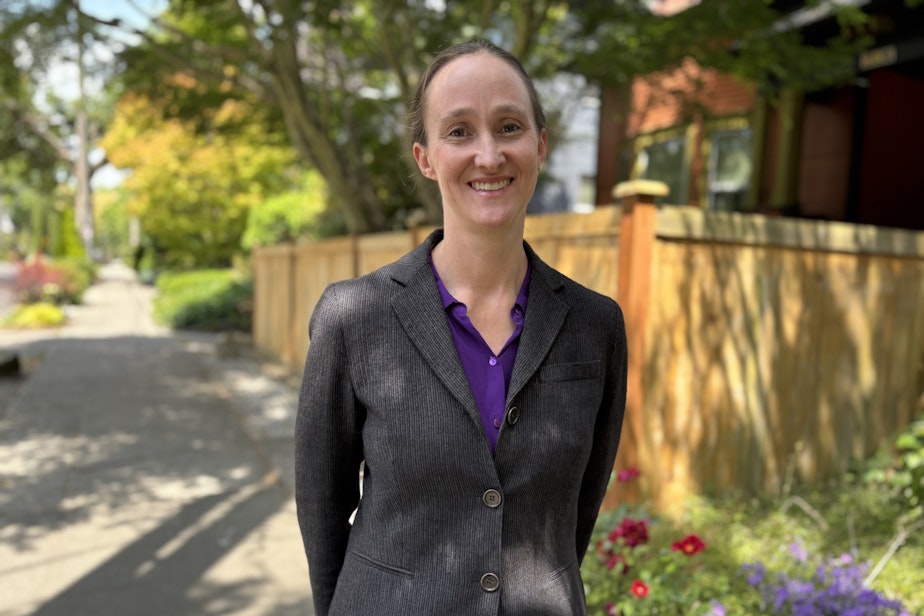

Seattle Mayor Katie Wilson is explaining her plan to let Seattle build more housing, in more places, and more quickly than her predecessor Bruce Harrell had planned.
Katie Wilson told KUOW the current version of the comprehensive plan doesn't allow enough housing in enough places.
"The current plan anticipates upzoning within half a block of frequent transit lines," she said. "I think that's pretty stingy."
It keeps new apartment buildings mostly confined to busy arterials.
Wilson says she wants to allow new apartment buildings on quieter streets, farther from the traffic and pollution.
"Exactly what that looks like, whether that's a couple blocks or a five minute walk, a 10 minute walk, can be a matter for discussion," she said.
Sponsored
RELATED: Austin built a lot of housing fast. Rents fell. What could Seattle learn?
Wilson also explained why the comprehensive plan needed more "neighborhood centers," where small pocket neighborhoods with apartment buildings cluster around favorite pizza restaurants, ice cream shops, and mom and pop retailers.
"The way that the comprehensive plan process unfolded last year, there were some initial plans that the office of community planning and development had formed, with a fairly large number of neighborhoods proposed as 'Neighborhood Centers,'" she said. "And the previous administration whittled that down quite significantly, and then that got even more whittled down during the council process. So we're going to just take another look at those potential neighborhood centers, and perhaps propose bringing some of those back."
Critics of the current comprehensive plan have long argued that faster development without sufficient guardrails will lead to the loss of more street trees.
Sandy Shettler of Tree Action Seattle has written that "as planned... this zoning will result in no space for trees or meaningful greenery." But her group has stopped short of calling for less density, saying "Seattle can and must pair dense housing with dense urban forests."
RELATED: How will Seattle's next comprehensive plan shape the city?
Sponsored
The construction of new homes is a key component to slowing the rise in housing costs across American cities, including Seattle, according to economists. Washington state legislators, weary of the slow pace of change, have been going over the heads of city councils and mayors in recent years, mandating statewide zoning reforms meant to bump up the supply of housing.
Wilson's move indicates she plans to go much further than the state's minimum requirements.
Seattle has been updating its comprehensive growth plan in waves, starting with the reforms with the tightest deadlines mandated by the state.
The current wave of changes to the comprehensive plan reflects a lower level of housing density than Wilson intends to pursue.
The mayor said she will not upend that ongoing process because changing things now would actually slow the production of housing, due to environmental impact studies required when the scope of zoning changes increases significantly.
Sponsored
Rather, Wilson plans to introduce an additional wave of reforms, which will build housing "taller, denser, and faster" than the previous mayor and city council had agreed on.
Planning on this new revision to the comprehensive plan begins this year. Wilson wants the new rules to be finalized in 2027.
This story has been updated with comments from Tree Action Seattle.
-
Joshua McNichols

Reporter
As KUOW's Growth and Development reporter and co-host of KUOW's Booming podcast, Joshua's "growing pains" beat sits at the nexus of housing, transportation, urban planning, government and the economy. His favorite stories also include themes of history, technology, and climate change.
More stories from Joshua McNichols »


